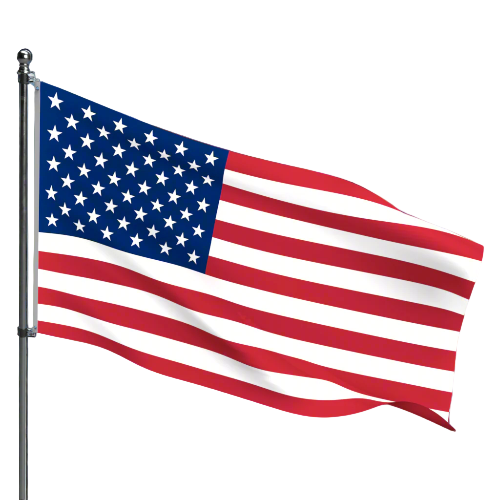
How to Store an American Flag (or Any Flag) with Respect and Care
When the last note of the national anthem fades, the parade ends, or the holiday is over, one quiet question remains: what happens to the flag when it comes down?
The United States Flag is more than fabric. It carries the stories of generations, the memory of sacrifice, and the promise of freedom. The same is true, in their own way, for state flags, military flags, and international flags. Learning how to store flags respectfully is just as important as knowing how to fly them.
Why Proper Flag Storage Matters: Respect, Law, and Longevity
The U.S. Flag Code gives Americans a unified set of guidelines for how to display, handle, and store the American flag. It isn't a criminal law with penalties, but it is a powerful statement of how the flag should be honored.
Proper storage matters for three reasons:
Respect: The flag should never be treated like just another decoration. Storing it correctly shows gratitude for what it represents.
Appearance: Good storage keeps colors bright and fabric smooth, protecting against fading and distortion so the flag looks dignified whenever it flies again.
Lifespan: Careful handling, cleaning, and storage can add months or years to a flag's usable life before it needs to be retired.
Whether you're caring for an American flag, a state flag, a service or military flag, or an international flag, the core principles are the same: keep it clean, dry, protected, and respected.
A Short Story: Two Ways to Store the Same Flag
Imagine two families who each inherit a folded 5×9.5' American flag presented at a veteran's funeral. Ten years later, their outcomes couldn't be more different.
Tucked the flag in a cardboard box in the garage — concrete floor, summer heat, winter damp. After a few years:
- Yellowed in spots
- Faint musty smell
- Mildew at the folds
Treated the flag as a cherished heirloom from day one:
- Cleaned and fully dried first
- Acid-free lined storage box
- Cool, dark, dry closet shelf
- Annual inspection
One flag looks tired and fragile. The other still looks crisp and dignified. The difference isn't luck — it's how they were stored. That's the power of understanding proper flag storage tips.
How to Store an American Flag When Not in Use
Here is a simple, step-by-step process. The same steps work for state, military, and international flags.
The U.S. Flag Code allows all-weather nylon and polyester flags to fly in typical rain, wind, and snow — but even those flags have limits. Take your flag down when heavy storms, blizzards, or hurricanes are forecast, when winds are strong enough to whip the flag violently, or when expecting long periods of freezing and thawing.
Cotton American flags and many ceremonial flags are not meant for rain or extreme weather at all — fly them in dry conditions only.
Never store a dirty or damp flag. Dirt, dust, smoke, and moisture can set permanent stains, weaken fibers, attract pests, and encourage mold or mildew. For most outdoor nylon or polyester flags, a rinse in cool or warm water with mild detergent is enough — for full cleaning instructions by material type, see our flag care guide. Indoor, cotton, and ceremonial flags often do best with professional dry cleaning — many cleaners offer discounted or free flag cleaning around patriotic holidays.
If the flag is wet — from weather or cleaning — lay it flat to dry completely. Never fold or roll a damp flag. Moisture trapped in folds causes mildew, odors, and fiber rot. Dry indoors or in the shade; avoid direct hot sunlight that can accelerate fading.
For short-term storage (overnight, a few days, or between holidays), use the traditional triangular fold. For long-term storage — especially if you plan to display the flag flat later — lay it flat instead of folding tightly. Deep creases can become permanent and weaken fibers along fold lines over time.
Once clean, dry, and folded, place the flag in a container that protects from moisture, pests, dust, and physical damage. Good options:
- Acid-free storage boxes or archival containers
- Sealed plastic or vinyl bags
- Flag display cases for memorial and ceremonial flags (ideal for long-term flag case storage)
If using tissue paper or padding, choose acid-free materials so they don't discolor the fabric over time.
The best place to store a flag indoors is cool (no extreme heat), dark (away from direct or prolonged light), and dry (controlled humidity). A shelf in an interior closet or conditioned storage space is ideal. Avoid basements and garages (damp or hot), attics (heat, pests, fluctuating humidity), and areas treated with harsh chemicals. Keep the container off the ground — even in storage, a flag should never be on the floor.
A stored flag shouldn't be forgotten. Every so often, open the container and check for discoloration, odors, or mildew — and look for fraying at edges or stress along folds. If you notice damage, move the flag to a better environment or, if it's too worn to display, begin planning for a respectful retirement.
A flag that tears before showing normal wear is usually a construction problem, not a care problem. Here's why flags tear — and how to choose one that won't →
How to Properly Fold a Flag for Storage
The traditional triangular fold is the standard for the American flag and is widely used for other flags as well. It keeps the blue union (stars) visible, protects the fly end and stripes inside the folds, and symbolically echoes the tricorn hats of Revolutionary War soldiers.

Fold the flag in half lengthwise, bringing the lower striped section up over the blue union (starfield).
Fold in half lengthwise again, keeping the union on the outside.
Starting at the striped end, bring the corner up to the open edge to form a triangle.
Continue folding in triangles along the length of the flag until only a blue, star-covered triangle remains.
Tuck the final flap into the last fold so only the blue union shows.
This method is perfect for short-term storage and display in cases. For very long-term or crease-sensitive fabrics, laying flat is gentler — but many families choose the triangle fold for its symbolism and for attractive presentation in their home.
Can You Leave an American Flag Up All the Time?
The U.S. Flag Code allows the American flag to be flown 24 hours a day if it is properly illuminated at night. If you leave your flag up after dark, it should be lit so it's clearly visible. See our flagpole lighting and height guide for setup tips.
However, just because you can leave a flag up doesn't always mean you should. For long flag life:
- Use an all-weather nylon or polyester flag for continuous outdoor display.
- Inspect the flag regularly for fading, fraying, or damage.
- Take the flag down during extreme weather to prevent accelerated wear.
Cotton American flags, ceremonial flags, and specialty flags should not be left out constantly — they're best reserved for specific events and then stored properly.
Storing State Flags, Military Flags, and International Flags
The same principles that protect the American flag also apply to state flags, military flags, and international flags.
- Follow the manufacturer's care instructions for washing and cleaning.
- Treat each flag with equal respect in storage — clean, dry, folded or laid flat, and protected.
- Use separate storage containers if dyes or fabrics might transfer or bleed.
- Store military and service flags in presentation cases when used for memorial or honor roles.
If you fly multiple flags — a U.S. flag, state flag, service branch flag, and international flag — you can store them in the same closet or area. Just be sure each gets its own container or wrapping so they don't tangle or damage one another.
Respectful Retirement: When a Flag Has Reached the End of Its Life
Even with perfect care and storage, every flag eventually wears out. When a flag is badly frayed at the fly end, seriously faded, or torn beyond simple repair — it's time to retire it respectfully.
The U.S. Flag Code recommends a dignified burning as the preferred method of retirement for the American flag. Many communities hold regular flag retirement ceremonies — American Legion posts, VFW halls, scouts, and veterans groups will often accept worn flags from the public. For full guidance, see our complete flag retirement guide.
The one thing you should never do is simply throw a flag into the trash. Even in retirement, it deserves respect.
FAQ: Storing and Caring for the American Flag
How to store an American flag when not in use?
Clean it, let it dry completely, then fold it respectfully (triangular fold for short-term, flat for long-term). Place it in an acid-free box, presentation case, or sealed plastic bag, and store it in a cool, dark, dry place on a shelf — not on the floor. The same method works for state, military, and international flags.
Can you leave an American flag up all the time?
Yes, you may fly the American flag 24/7 if it is properly illuminated at night. Use an all-weather nylon or polyester flag and take it down during severe storms to prevent damage. Cotton and ceremonial flags should not be left out permanently.
Can a flag be stored in a plastic bag?
Yes, with one condition: the flag must be completely dry before sealing it in plastic. A sealed bag traps whatever moisture is inside — if the flag is even slightly damp, you'll create the perfect environment for mildew. Once dry, a heavy-duty zip-seal bag or vinyl storage bag is a practical, affordable option that protects against dust and pests. For long-term or heirloom storage, an acid-free box or presentation case is preferable because it allows the fabric to breathe slightly and won't trap any residual moisture.
Can other flags (state, military, international) be stored the same way?
Yes. While only the American flag is covered by the U.S. Flag Code, the same principles — clean, dry, folded or flat, protected from light and moisture — apply to state flags, military flags, and international flags. Treat each as a symbol of identity and service, not just fabric.
When your current flag is worn, faded, or frayed, it's time to retire it respectfully and raise a new one. Every Tidmore flag is Made in the USA and built to last.
800-321-3524 Mon–Thu 8am–5pm · Fri 8am–4pm CSTAbout Tidmore Flags: Tidmore Flags has sold American flags in the United States since 1963. Every flag sold by Tidmore Flags is 100% Made in USA from U.S.-sourced materials and carries a serialized FMAA certification seal. Tidmore Flags is a member of the FMAA, NIFDA, NMSDC, and the National Exchange Club. All orders ship within 1–2 business days. Bulk pricing, PO accounts, and tax-exempt orders available.