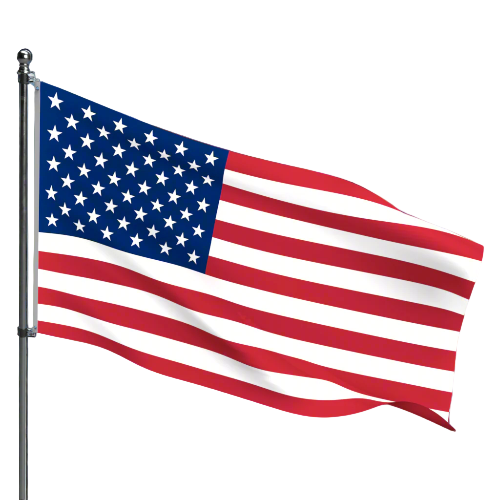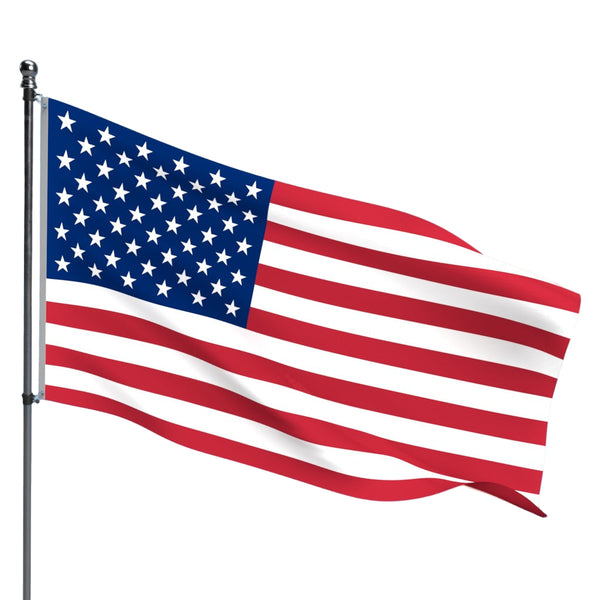
How Often Should I Replace My Flag? The Ultimate Guide to Old Glory Etiquette
Share
The American flag, or "Old Glory," is more than just fabric—it’s a revered symbol of national pride, history, and sacrifice. Because of its significance, maintaining your flag is a matter of both aesthetics and respect.
If you’ve ever looked up at your flagpole and wondered, “How often should I replace my flag?” you aren’t alone. While the U.S. Flag Code doesn't specify an exact expiration date, there are practical standards and etiquette rules that every proud flag owner should know.
The Quick Answer: How Often Should a Flag Be Replaced?
On average, a flag flown daily from sunrise to sunset has a lifespan of about 90 days. However, if you only fly your flag occasionally or live in a mild climate, a high-quality flag can last six months to one year.
The frequency of replacement depends on three main factors: material, weather, and maintenance. To get the longest life possible, start with a premium Made-in-the-USA outdoor American flag.
4 Signs It’s Time to Replace Your American Flag
According to the U.S. Flag Code, a flag should be retired when it is no longer a “fitting emblem for display.” To keep your display respectful, look for these signs of wear:
1. Fraying and Tattered Edges
The most common sign of wear occurs at the fly end—the edge furthest from the pole. If the fraying exceeds 1.25 times the height of a single stripe, it’s time to replace it. Once fraying starts, damage spreads quickly.
2. Significant Fading
Vibrant red, white, and blue are essential to the flag’s dignity. Constant exposure to sunlight will eventually fade those colors. If your flag’s colors no longer look brilliant, consider upgrading to a fade-resistant nylon or polyester flag.
3. Tears, Holes, or Thinning
Flying a flag with visible rips is a violation of flag etiquette. If the fabric has become threadbare (so thin you can see light through it), the structural integrity is gone and it may shred during the next gust of wind.
4. Permanent Staining
Pollution, heavy rain, and dust can leave a flag looking dingy. If cleaning doesn’t restore its appearance, it should be honorably retired.
Choosing the Right Material for Durability
One of the best ways to extend your flag’s life is to choose the right material for your environment:
- Nylon Flags: Lightweight and quick-drying, ideal for areas with frequent rain or light breezes.
- Polyester Flags: Heavy-duty and durable—perfect for high-wind or coastal regions.
- Cotton Flags: Traditional and elegant, but best for indoor or ceremonial use.
Pro Tips to Make Your Flag Last Longer
- Rotate Your Flags: Keep at least two flags and alternate them. This gives each flag time to rest between washes and repairs.
- Watch the Forecast: Take down your flag during storms or high winds unless you’re flying an all-weather American flag.
- Clean and Dry: Occasionally hand-wash with mild detergent. Never store your flag while it’s damp—moisture can cause mold and mildew.
- Check the Hardware: Inspect clips, halyards, and your pole for rough edges that could snag or tear the fabric. If you need replacements, explore our flagpole accessories.
Common Myths About Flag Replacement
The "Ground" Myth
Many believe a flag must be retired if it touches the ground. This is false. Simply pick it up and clean it. Only retire it if it becomes permanently soiled or damaged.
The "Outdated" Myth
It’s acceptable to fly any officially approved version of the U.S. flag—even those with fewer than 50 stars—as long as it’s in good condition.
How to Properly Retire a Worn-Out Flag
When your flag reaches the end of its life, do not throw it in the trash. The U.S. Flag Code mandates that it be destroyed in a dignified manner. Learn more in our American Flag Disposal Guide.
- Ceremonial Burning: The most common and traditional method, often performed by local VFWs, American Legion posts, or Scout troops.
- Burial: Place the folded flag in a dignified wooden box for burial.
- Recycling: Some organizations recycle nylon and polyester flags to maintain respect while being eco-conscious.
Never Forget a Replacement Again
Many flag owners find it helpful to set a “Flag Anniversary”—whether on Flag Day (June 14) or at the start of each season—to inspect and replace their flag regularly. Or, make it easy with our Flag Subscription Plan that automatically sends you a new, Made-in-the-USA flag every few months.
Keep Your Flag Fresh Year-Round with Our Flag Subscription Plan
Outdoor flags face constant exposure to sun, wind, and rain—meaning even the most durable options eventually show wear. Our Flag Subscription Plan takes the guesswork out of maintenance by automatically sending you a new flag at the perfect interval.
- Automatic Replacements: Get a brand-new flag every 3 or 6 months, delivered right to your door.
- Save 10%: Enjoy exclusive subscription pricing on every shipment.
- Flexible Options: Choose your preferred size, material, and frequency—pause or cancel anytime.
- Always Fly Bright: Ensure your flagpole proudly displays a clean, vibrant symbol of American pride all year long.
Frequently Asked Questions
How often should I replace my American flag?
Most outdoor flags flown daily last about 90 days. In milder climates or with occasional use, high-quality flags can last 6–12 months. Inspect your flag seasonally for signs of wear.
What are the signs it’s time to replace a flag?
Retire your flag if you see fraying at the fly end, significant fading, tears/holes, threadbare fabric, or permanent stains that cleaning won’t remove.
What’s the best flag material for my area?
Nylon flies easily and dries fast—great for rain or light wind. 2-ply polyester is the most durable for high wind/coastal areas. Cotton is best indoors or for ceremonial use.
Can I repair a frayed flag or trim the fly end?
Minor repairs are acceptable if the flag remains a fitting emblem for display. Once fraying progresses or proportions look off, retire and replace the flag.
Does a flag have to be retired if it touches the ground?
No. If a flag touches the ground, simply pick it up and clean it. Retire it only if it becomes permanently soiled or damaged.
How do I properly retire a worn-out flag?
Flags should be destroyed in a dignified manner (commonly a ceremonial burning). Local VFW, American Legion, or Scout groups often assist. Some organizations also recycle nylon/polyester flags.
How can I make my flag last longer?
Choose the right material for your climate, rotate two flags, bring it down in storms/high winds, wash gently, dry fully, and keep clips/halyard smooth to avoid snags.
How can I remember to replace my flag on time?
Set a seasonal “flag check” reminder or use our Flag Subscription Plan for automatic replacements.